
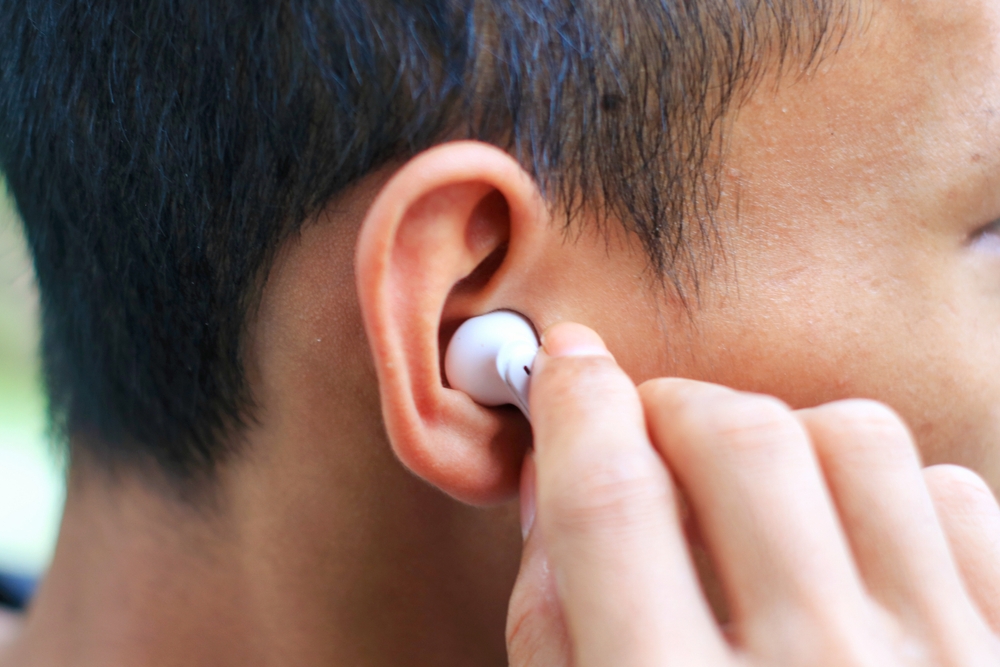
In modern public spaces, the sight of a young person without some form of in-ear audio is rare. Though over-ear headphones are more bulky, the younger demographic still relies on them for environmental isolation. While acoustic enjoyment is universal across all ages, the youth population often utilizes music as a primary tool for time management. Does the immediate physical closeness of these transducers to our ears result in measurable hearing loss? Clinically speaking, the hardware is not the culprit; rather, the risk lies in human behavior and exposure levels.
Too Much of a Good Thing
Acoustic stimuli can act as a sedative, an emotional balm, or a powerful stimulant depending on the tempo. The outcome is entirely dependent on the genre and frequency of the audio. Personal audio tech provides a convenient way to consume media without infringing on the silence of those nearby. Most individuals view this as a positive etiquette, especially within the confined spaces of a bus or train.
From an audiological perspective, we must define the specific thresholds for safe volume and exposure duration. The truth is, loud noise in general is damaging to your ears and your hearing. Sustained exposure to extreme volumes can result in irreversible trauma to the auditory nerve. Hearing loss occurs gradually, so by the time you realize what’s happening, it may be too late.
The Key Dangers of Headphones and Earbuds
The intensity of the decibels is the leading risk factor for permanent auditory trauma. However, the duration of the exposure matters as much as the volume.
- Clinical guidelines from the NIH suggest that listening at or below 70 dB prevents damage regardless of the duration.
- The rate of auditory trauma increases exponentially as the decibel level rises.
- To protect your ears, utilize the 60/60 guideline: never exceed 60% power and rest after 60 minutes of use.
- Protect your hearing by turning down the volume on your device and limiting your exposure.
Recognizing the Symptoms of Auditory Damage
Common indicators such as “ringing” in the ears and a recurring inability to understand speech in loud rooms warrant an immediate specialist consultation.
If you suspect a decline in your hearing, contact our office to begin a professional diagnostic process.