Boulder

Hearing Aids
Personalized Technology Designed for Better Hearing and Better Living
Hearing aids are so much more than tiny devices that make sounds louder. They are part of a structured treatment plan designed to improve your brain's processing of sound, reduce listening effort, and restore meaningful communication.
At Hearing Healthcare Centers, the team focuses on hearing rehabilitation, not quick fixes. The right technology, properly fitted and supported over time, can help you reconnect with conversations and daily life.
Book an Appointment
Is Hearing Loss Affecting Your Daily Life?
Hearing loss tends to come on gradually. You may notice difficulty hearing soft sounds, asking others to repeat themselves, or feeling tired after conversations.
These challenges can be frustrating and lead to withdrawal or increased mental strain when interacting. Over time, untreated hearing loss has been linked to cognitive decline and memory loss, making early treatment an important step for both hearing and brain health.

Types of Hearing Aids
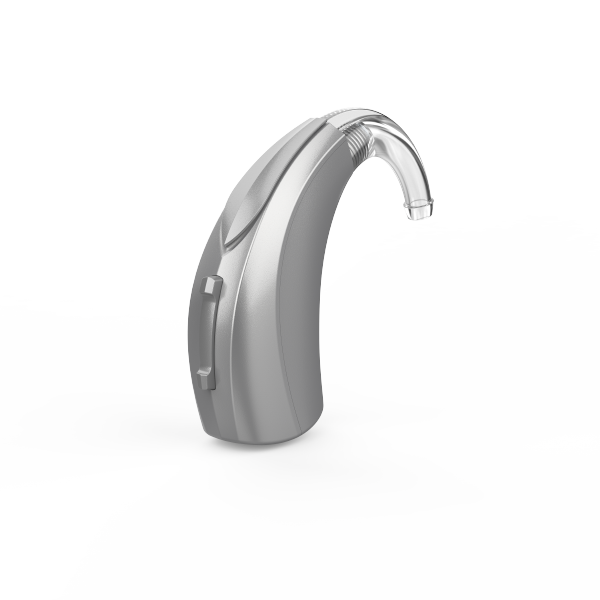
Behind-the-Ear (BTE)
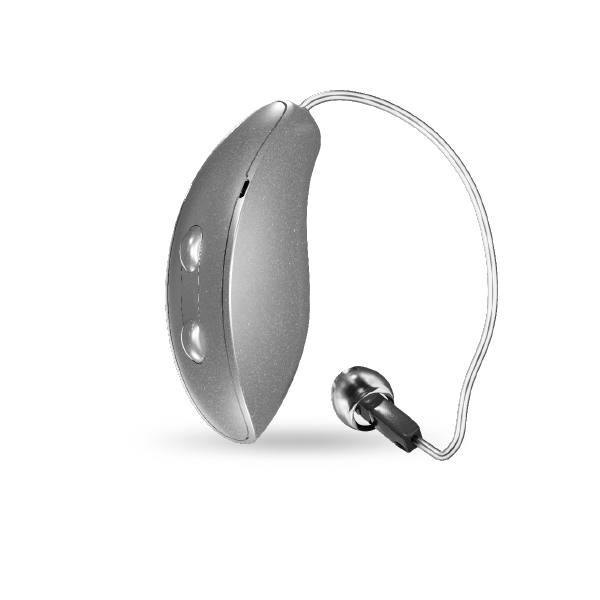
Receiver-in-Canal (RIC/RITE)
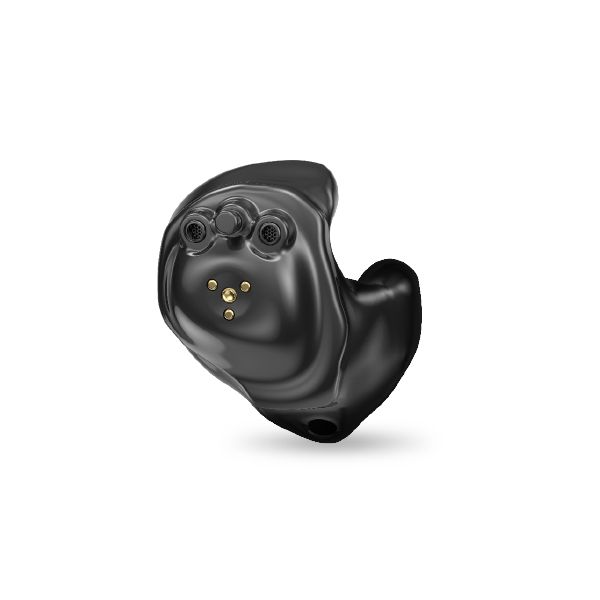
In-the-Ear (ITE)
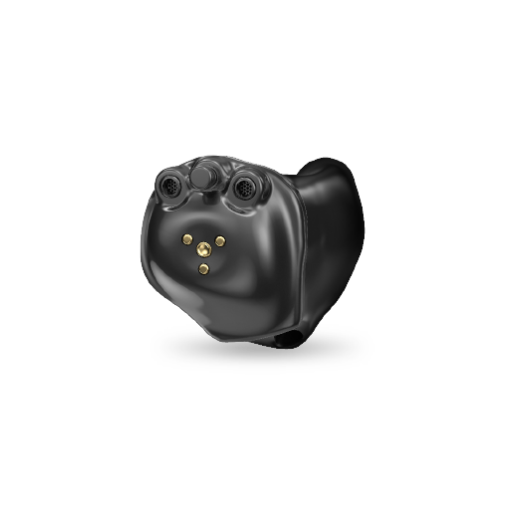
In-the-Canal (ITC)
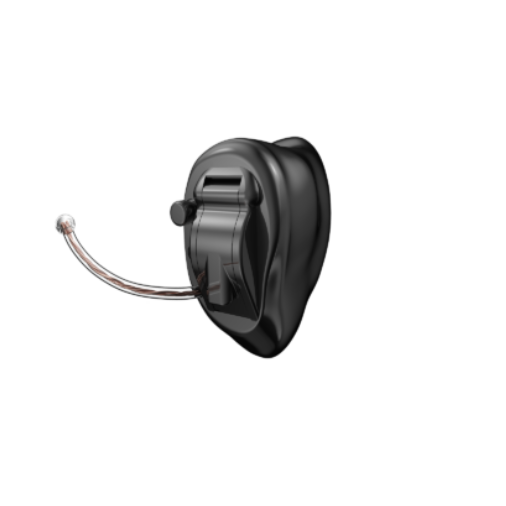
Completely-in-Canal (CIC)

Invisible-in-Canal (IIC)
Common Questions About Hearing Aids
What to Expect with Hearing Aids

Initial Adjustment Period
Your brain needs time to relearn sounds it may not have heard clearly for years.

Follow-Up Appointments
We make adjustments based on your feedback and real-world experiences.

Proven Results
We use information gathered during your initial evaluation to determine your prognosis with hearing treatment. We test and verify until you are reaching that prognosis.

Ongoing Support
Hearing changes over time, and your devices should adapt with you through regular care. The same devices should serve you well for many years.

Improved Communication
With consistent use, most patients experience clearer conversations and less listening fatigue. Better hearing can lead to better relationships, sharper thought processes and better balance- all things that are important as you age.
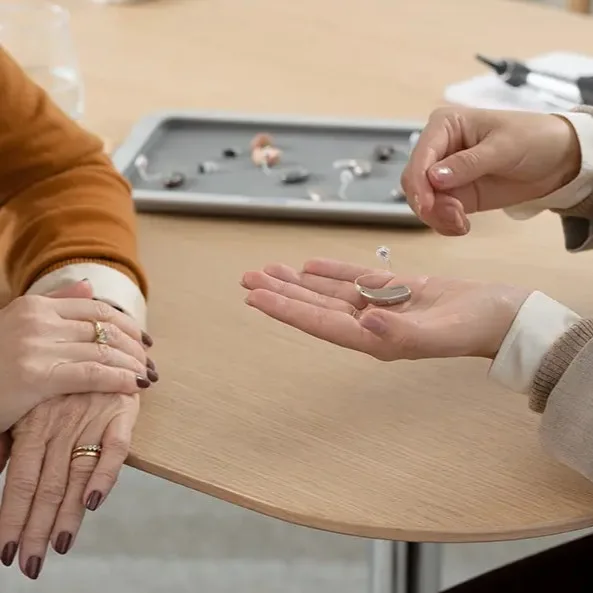
Advanced Technology from Trusted Manufacturers
Hearing Healthcare Centers work with leading hearing aid manufacturers to provide reliable, high-performing technology. Options may include specific features like background noise reduction, Bluetooth connectivity, or even rechargeable batteries.
The available brands include Audibel, Starkey, Oticon, Phonak, ReSound, Signia, Unitron, and Widex. Each option is carefully selected based on your needs, not brand preference.

Results You Can Expect
With the right technology and professional guidance, hearing treatment can significantly improve your quality of life.
- Clearer conversations in everyday settings
- Reduced listening effort and fatigue
- Greater confidence in social situations
- Improved connection with family and friends
Success does not happen overnight. It develops through a combination of technology, adjustment, and ongoing care.
Start Your Hearing Care Journey with a Trusted Audiologist
Choosing hearing aids is an important step toward better hearing and better health. You do not need to navigate it alone. We proudly serve patients in Loveland, Longmont, Berthoud, Erie, Mead, Niwot, Firestone, Frederick, Boulder, Nederland, Louisville, Lafayette, Fort Collins, Timnath, Drake, Wellington, LaPorte, and Severance. Schedule your consultation today to receive a customized treatment plan designed for lasting results.
Book an Appointment