
Muffled hearing can impact every aspect of your life, leaving you feeling confused and disconnected from the world around you. It is typical to assume that muted sound indicates chronic hearing deficiency, but the issue is often just a treatable cerumen obstruction.
Understanding the difference between cerumen blockage vs. auditory loss can help you determine when a quick fix is possible and when it’s time to seek a hearing assessment. Try not to fret if your hearing feels abruptly diminished. While only an audiologist can confirm the cause, understanding these key markers of wax vs. hearing loss can provide instant insight.
Identifying the Symptoms of Earwax Blockage
Earwax (wax) is a natural, protective substance that helps capture dirt and debris and keeps the ear canal functional. Clinical complications only manifest when the wax fails to move out of the ear, leading to a substantial buildup or impaction.
Signs of a blockage often feature:
- Dampened sound quality that manifests over time or suddenly
- The sense that there is a physical plug in the canal
- Ear discomfort or slight pain
- Persistent humming or ringing sounds
- Auditory clarity that improves temporarily after opening the jaw or chewing
A signature of wax-induced sound changes is imbalance, usually impacting one side over the other. The good news is that professional removal typically results in an instant return of your natural hearing capacity.
How Auditory Loss Typically Presents
Unlike a temporary blockage, nerve-based hearing deficit typically advances steadily over decades and is not fixed by clearing the ear.
Symptoms of actual auditory impairment may feature:
- Battling to track conversations when background noise is present
- A constant requirement for speakers to speak more clearly or loudly
- Adjusting media levels to a level that others find uncomfortable
- Trouble catching treble tones like nature or children’s voices
- Bilateral hearing changes that affect both ear canals at once
A key distinction is that true loss misses the physical “plugged” sensation that accompanies an earwax blockage.
Comparing Wax Buildup and Auditory Loss
By analyzing the timing and specific symptoms, you can frequently determine which issue is impacting you:
- Timing: Blockages can feel instant, while hearing loss is almost always slow
- Duration: Wax issues are fixable and temporary, whereas impairment is usually chronic
- Sensations: Pressure and discomfort indicate wax; word intelligibility issues suggest loss
- Sides: One-sided dull sound suggests wax, while both sides point to impairment
Why You Shouldn’t Treat Yourself
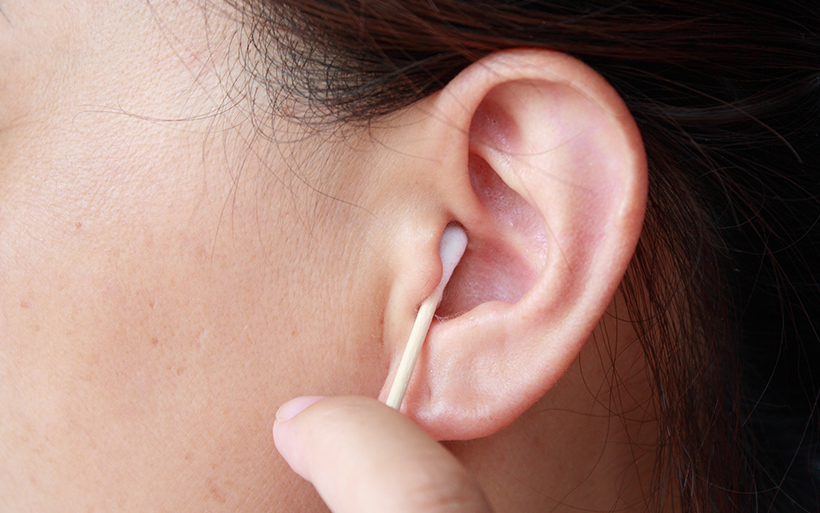
When auditory input feels muffled, the instinctive urge is to use a Q-tip, but this is often a dangerous decision. In reality, manual poking often compresses the wax further against the eardrum, making the impaction worse.
According to the National Library of Medicine, inserting objects into the auditory canal raises the likelihood of blockage and trauma.
Delaying a clinical check-up for real hearing loss can result in missing out on solutions that shield your future mental and communal well-being.
The Importance of a Clinical Ear Exam
A simple ear exam can quickly verify if earwax is obstructing the ear.
If wax is found, safe removal often clears symptoms on the spot.
Should the auditory canal be unobstructed but hearing difficulties persist, an audiogram can assess whether auditory impairment is identifiable and identify its category and degree.
Medical authorities advise seeking a clinical opinion as promptly as you observe auditory fluctuations that affect your routine.
Choosing the Right Path for Improved Sound Quality
Muffled auditory input doesn’t always mean irreversible trauma.
It is frequently the reality that a basic, resolvable blockage is the root of the concern.
Seeking professional attention guarantees you find the exact cause and the proper solution for your auditory requirements.
In the end, an audiology exam is the single certain way to distinguish between a fleeting obstruction and a lasting change.
Finding the answer soon safeguards your well-being and provides you with the peace of mind you have earned.
If you’ve noticed a shift in your hearing, call our clinic for a professional evaluation immediately.