
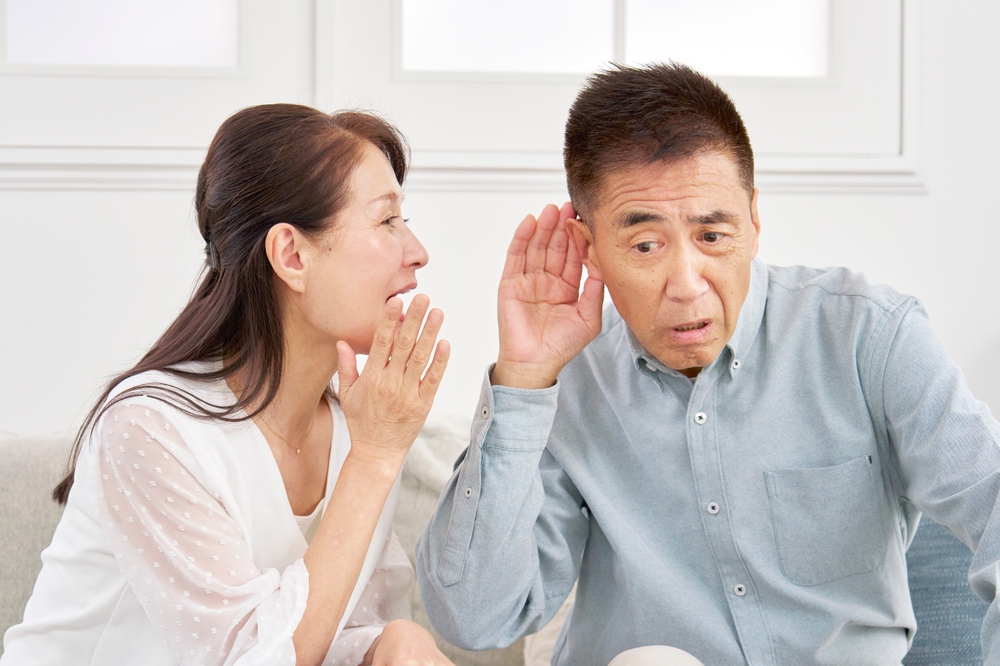
Prevalent myths regarding hearing loss frequently act as a barrier to necessary audiological treatment. Early diagnostic accuracy is essential for anyone experiencing the onset of hearing loss. Subscribing to auditory misinformation can hinder treatment timelines and compromise social connectivity.
If you have concerns about your hearing, knowing the truth (and the myths!) can help you make informed decisions about your health and proceed with greater confidence. The following analysis deconstructs seven common hearing fallacies using modern audiological data.
1. Myth: Only Older Adults Have Hearing Loss
While sensory shifts are frequent in seniors, hearing loss remains a cross-generational health concern. Noise exposure, genetics, infections, certain medications, and underlying medical conditions can all contribute to hearing problems in younger adults and even children.
The “aging myth” frequently prevents young and middle-aged adults from pursuing an essential hearing test.
The “I Can Still Hear” Fallacy
Clinical hearing loss exists on a spectrum and rarely results in immediate total silence. Often, the issue is not a lack of sound but a lack of speech intelligibility in social settings. A broad range of auditory dysfunctions exists between asymptomatic hearing and complete deafness.
Signs of decline often involve poor speech-in-noise recognition and significant mental strain after talking with others. Failing to address these subtle changes can lead to long-term communicative difficulties.
Myth: Auditory Decline is a Low-Stakes Issue
The impact of aural decline reaches into the cognitive and emotional well-being of the patient. Clinical studies associate untreated impairment with isolation, elevated cortisol levels, and accelerated cognitive decline.
Proactive hearing care is a vital component of maintaining cognitive health and emotional stability.
Do Hearing Aids Damage Your Natural Hearing?
The fear that hearing aids weaken the natural ear is a persistent but medically unfounded myth.
Properly programmed hearing aids pose zero risk of physical damage to the auditory system. Modern tech calibrates sound output to match the specific “gaps” found in your clinical hearing test. In many cases, using hearing aids can help the brain stay engaged in processing sound, supporting long-term auditory health.
Myth: All Hearing Aids are Bulky and Noticeable
Recent innovations in hearing science have prioritized both power and miniaturization. Today’s devices are smaller and more powerful than ever. Numerous models—such as Invisible-in-the-Canal (IIC) devices—remain completely hidden during daily use.
In addition to their size, modern hearing aids often include beneficial features like background noise reduction, Bluetooth connectivity, and automatic sound adjustments.
Myth: Small Hearing Changes Don’t Warrant Clinical Action
Don’t underestimate “slight” hearing changes; they still disrupt the natural flow of information to the brain. Addressing loss early eliminates listening fatigue and protects against chronic mental exhaustion.
Maintaining communicative fluency is far easier when you address auditory shifts in their infancy.
7. Myth: Over-the-Counter Solutions Are Always Enough
While OTC options offer simple volume boosts, they cannot address the unique nuances of your ear health. Professional diagnostics ensure your hearing solution is “tuned” to your specific environment and biology.
Custom-fit solutions provide a level of acoustic fidelity that generic devices simply cannot match.
Taking Control: Overcoming Misinformation for Better Hearing
While aural changes are intimidating, delaying care only leads to more complex communicative issues. Accepting myths as truth leads to a longer road to recovery and more significant brain strain. Fortunately, a modern hearing test is a non-invasive, efficient process that yields vital health data.
Taking the first step toward a hearing test is the best way to safeguard your long-term communication. Seeking help sooner rather than later preserves both your social life and your neurological sharpness.
If you are ready for a professional assessment, our specialists are standing by to assist. Contact our office today to schedule your personalized hearing consultation.