
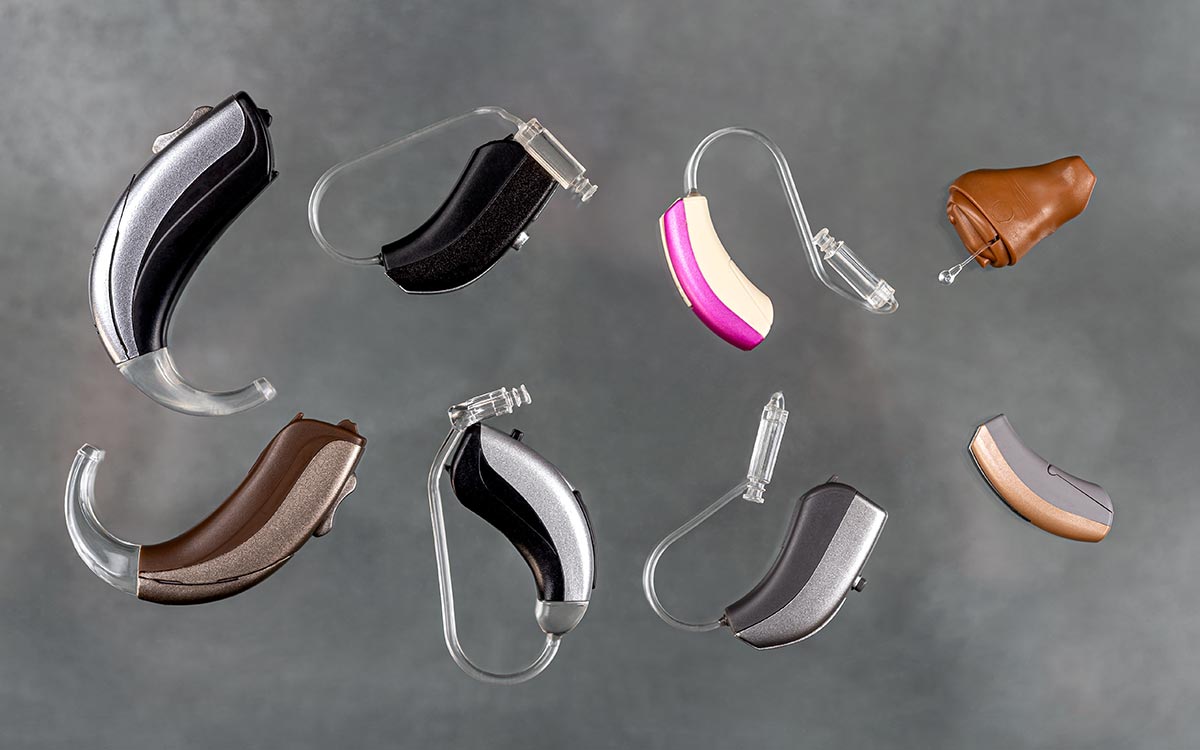
The sheer volume of hearing aid designs and technology levels on the market today can make the selection process feel complicated. Rest assured that there is a hearing device tailored to every lifestyle and degree of impairment. It’s just a matter of finding it!
Understanding the differences among the most common types of hearing aids can help you feel more informed and confident as you explore your options. This guide examines the most common styles and highlights the specific advantages each one offers.
The ITC (In-the-Canal) Style Explained
Basic Overview:
A custom device is engineered to sit partially within the ear canal while showing just a small section in the outer ear area.
Key Primary Points:
- Offers an improved shape than bulkier behind-the-ear units
- Individualized shaping ensures long-term wearing comfort
- Works well for individuals experiencing mild hearing challenges
First-time wearers frequently gravitate toward ITC aids because they strike a perfect compromise between size and performance.
Exploring IIC (Invisible-in-Canal) Choices
What they are:
IIC hearing aids are the tiniest custom style available. This style fits deep in the ear for an entirely covert appearance.
Why people choose them:
- Optimal cosmetic discretion
- Provides realistic sound because of where the device sits
- Lightweight and easy
Due to their miniature stature, these aids are generally recommended for low-to-mid-range hearing loss and users who want total invisibility.
Full and Half-Shell ITE Options
Product Information:
ITE devices are built to stay in the outer ear area, offering two different shell sizes based on your anatomy. They are custom-made to match the contours of your ear.
Value Offering:
- The increased surface space provides space for extra functionality and extended power
- Simpler to manage for those with dexterity challenges
- Capable of providing enough power for extreme hearing needs while remaining in-the-ear
The all-in-one nature of the ITE style makes it a favorite for those who dislike behind-the-ear equipment.
BTE (Behind-the-Ear) Essentials
Description:
A BTE hearing aid is worn outside the ear for an optimal fit. Sound travels into the ear canal through a small tube or custom earmold.
Key Strengths:
- Regarded as one of the most dependable and sturdy designs available
- Effective for nearly every level of hearing impairment
- The spacious casing enables high-tech extras and built-in power cells
The combination of user-friendliness and powerful audio makes BTE aids a top contender for many patients.
Receiver-in-Canal (RIC) Hearing Aids
Mechanical Setup:
RIC hearing aids look comparable to BTE models, but the speaker (receiver) sits inside the ear canal rather than inside the device behind the ear.
Key Pros:
- Provides a remarkably crisp and lifelike listening experience
- Users value the slim profile and comfortable fit for all-day use
- Flexible enough to address a broad number of hearing impairments
RIC units are extremely popular currently because they balance appearance with powerful functionality.
Extended-Wear Device Facts
Operational Details:
These unique devices are built to stay in the ear canal for a month or more, managed by your hearing specialist.
The Draw:
- Perfect for wearers who want to avoid the routine of handling hearing aids daily
- Sitting low in the canal makes them completely hidden from view
- Built to endure the rigors of sleep, exercise, and showering without being removed
Extended-wear devices are ideal for patients who want a “set it and forget it” approach.
Wireless Smart Connectivity
Digital Features:
Auditory aids with wireless connectivity that sync with smartphones, tablets, computers, and sometimes TVs.
Why go cordless:
- Enjoy direct audio streaming from your phone or TV right into your ears
- Provides an unobtrusive way to manage your hearing environment from your mobile screen
- Enhances everyday life by making technology interaction seamless and clear
Most contemporary RIC, BTE, and ITC hearing aids now provide a Bluetooth-enabled version.
Middle-Ear Implants
What they represent:
Middle-ear implants are specialized tools that use mechanical vibration to enhance hearing via the middle ear.
Why implants are utilized:
- Provides an answer for patients with anatomy that prevents the use of conventional aids
- This is an expert choice for those with chronic ear canal sensitivity.
These devices need a thorough medical review by an ear, nose, and throat expert.
Choosing the Right Model for Yourself
Selecting a hearing aid for hearing loss or tinnitus is an individualized journey that takes into account your hearing severity, lifestyle habits, and visual preferences. An expert can offer the guidance needed to test out different styles and find the one that fits your life perfectly.
Begin your path to better sound by setting up a hearing test now. Your future of confident communication starts with this first evaluation.
Sources:
https://www.mayoclinic.org/diseases-conditions/hearing-loss/in-depth/hearing-aids/art-
20044116
https://www.hearinglife.com/hearing-aids/types
https://www.nidcd.nih.gov/health/hearing-aids