
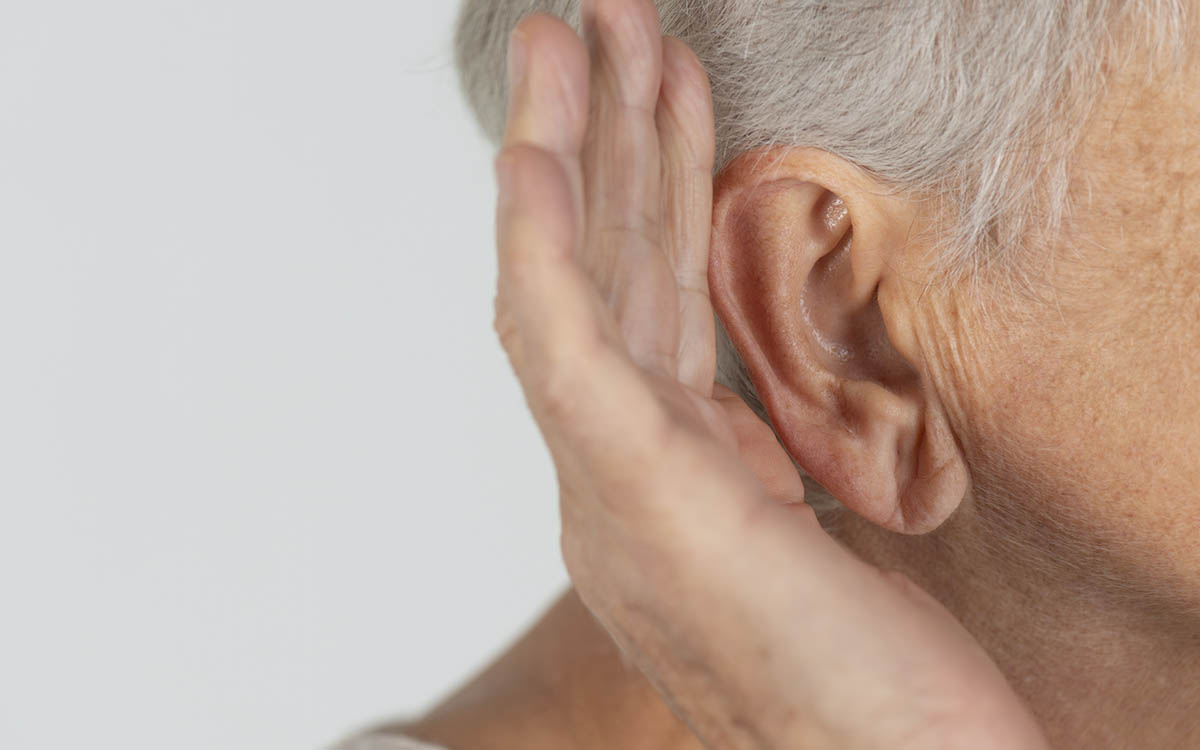
Most people associate hearing loss with getting older, yet for a vast number of citizens, hearing damage begins much sooner. Among the most frequent and preventable categories of auditory damage, noise-induced hearing loss frequently develops incrementally, advancing subtly and remaining undiagnosed until the clinical effects are permanent.
Comprehensive knowledge of how chronic noise exposure affects the ears facilitates proactive protection prior to the onset of clinical hearing loss.
What Is Noise-Induced Hearing Loss?
The pathology of noise-induced hearing loss involves trauma to the sensitive anatomical structures within the inner ear. The Centers for Disease Control and Prevention state that, acoustic levels surpassing 85 decibels can induce ear damage following repeated or lengthy exposure. More intense acoustic stimuli, such as power equipment or firearms, are capable of inducing auditory trauma in a matter of minutes.
Within the cochlea are specialized sensory structures referred to as hair cells. These units are responsible for translating sound waves into the electrical signals required for auditory perception. The inability of hair cells to regenerate after trauma explains why noise-induced hearing loss results in a permanent auditory deficit.
How Hearing Damage Progresses Through Chronic Exposure
It is clinically significant that noise-induced hearing loss often manifests through a slow, cumulative process. Initial signs of auditory overexposure may present as:
- Short-term episodes of Tinnitus or buzzing within the ears
- Subjective hearing attenuation or muffling after high-decibel events
- Challenges involving speech comprehension within high-noise settings
The cessation of these early symptoms often leads to the false perception that the auditory system has fully healed. In fact, chronic noise exposure causes ongoing trauma to inner-ear anatomy, slowly reducing hearing clarity and sensitivity over time.
Statistics from the HLAA suggest that 48 million Americans have some form of hearing loss, frequently with unidentified etiology.
Hazardous Acoustic Triggers of Ear Injury
The prevalence of loud sounds in daily life often results in a dangerous desensitization to harmful noise levels. Due to this, the commonality of injurious sound exposure often goes unrecognized.
Typical noise-generating sources consist of:
- Live music venues and concerts
- High-volume output from personal listening equipment
- Gas-powered lawn tools, industrial machinery, and motorcycles
- Occupational noise exposure within the construction or manufacturing sectors
Because these sounds are often part of daily life, damage can accumulate without clear warning signs.
Why Auditory Prophylaxis Are So Important
Noise-induced hearing loss is physiologically irreversible, unlike many other health impairments. Despite its permanence, the condition is significantly preventable. The implementation of basic protective protocols can substantially mitigate risk, such as:
- Utilizing hearing protection devices like earplugs in noisy settings
- Lowering headphone volume and following the “60/60 rule”
- Taking listening breaks to give your ears time to recover
- Arranging for routine Audiology assessments if noise exposure is frequent
Clinical Indicators for Requesting Audiology Services
Should you experience persistent Tinnitus or a decline in conversational understanding, a professional evaluation is indicated. Timely professional assessment facilitates the creation of a management plan to maintain long-term auditory health.
Prioritizing auditory health now ensures the preservation of hearing clarity for the future. Environmental sound may be constant, but the development of hearing loss is not inevitable. Contact our team today to schedule a consultation and make sure you’re hearing your best.